A Veterans Guide for Transitioning to Civilian Life
By Camille Johnson
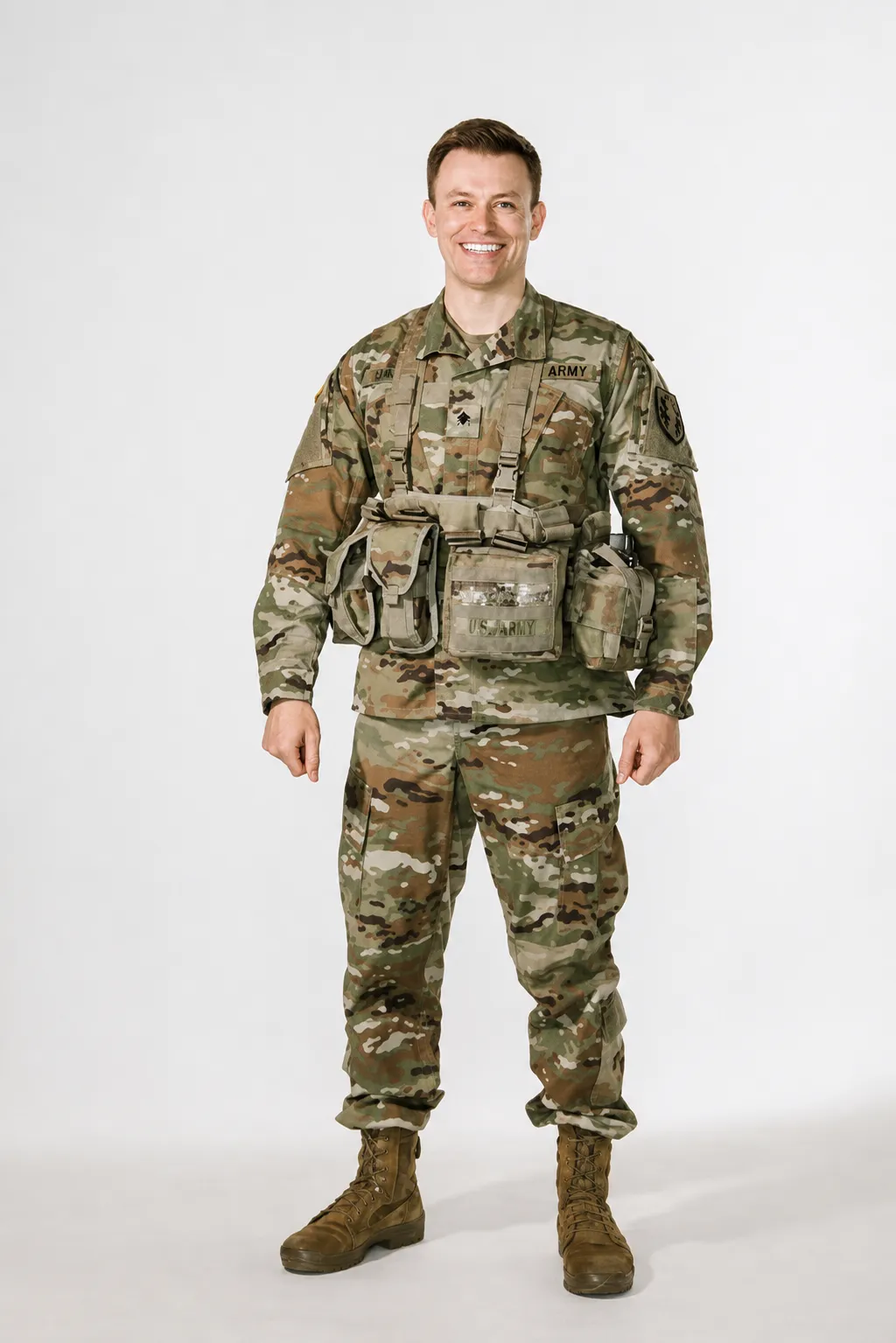
Leaving what you've grown used to, and starting life afresh after service, can feel like you're starting off on shaky ground. However, it is possible to make the transition to civilian life smoothly if you have the resources and knowledge of what to do next.
Visit the Veterans National Recovery Center for assistance as we advocate on your behalf with all the major public institutions to help make this possible.
Get going with your resume
Once you've taken the necessary time off to rest and get settled, the next thing to do is get started on your resume so that you can find work. It may feel like you're diving into the deep end, but doing so sooner rather than later can help quell some of the nerves and anxiety associated with overthinking it. Resources such as Zety can help you draw up your resume and tailor it to the industry you're applying for. Job boards worth checking out that cater to veterans specifically include Hire Veterans, RecruitMilitary, and Hire A Veteran.
Further your education
Perhaps you don't feel equipped enough to confidently take on a new job. If so, you may need to further your education. Studying online can simplify the process and give you the time you need to ease into the job search. With online study, you can work and get an online bachelor of education degree simultaneously as you boost your knowledge in the areas of best instructional practices and student development.
Create a new budget
You might be surprised to find out how the cost of living rose while you were away. Hence, it is vital to create a new budget or reassess your existing one to see where it is possible to save until you can find a job that covers the bills. If you need help figuring out where to start or if budgets aren't your forte, the 50/30/20 rule should provide you with a sound basis from which to start.
Set up a savings AND emergency account
There are many reasons to set up a savings and emergency fund - separately. While a savings account is valuable for when you eventually retire one day or to pay for your child's college expenses, an emergency account is just as beneficial for when you need to cover unexpected costs, such as repairs to your home or vehicle. In addition, financial stability is not only good for when you need funds urgently, but it is also beneficial for your mental health, as financial stress can take an enormous toll on your mental well-being.
Buying a home
You may consider buying your own home as a next step, in which case applying for a VA mortgage might suit you better than other types of mortgages, such as an FHA loan or a Conventional loan. With a VA loan, you don't have to stress about coming up with a down payment amount (which can land up being substantial depending on the value of your property).
There are also many other benefits, including lesser closing costs, lower-than-average interest rates, and no Private Mortgage Insurance. Preparing yourself for life outside the army will take some time to adjust fully. However, taking small but consistent steps to improve where you are currently, such as taking an additional course or degree online, will help get you there in your own time.